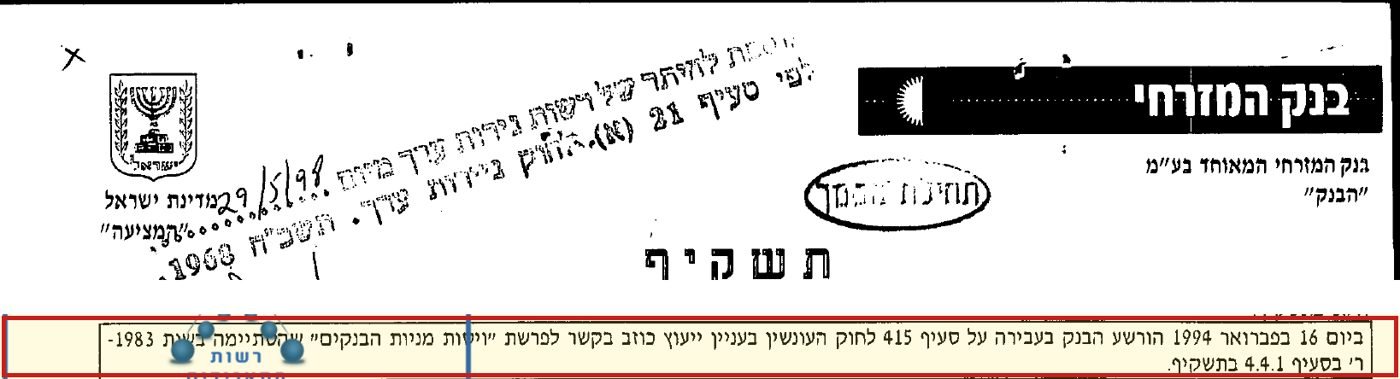
16 February 1994. The Jerusalem District Court convicts United Mizrahi Bank Ltd of a criminal offence: obtaining something by deceit in aggravated circumstances, over false advice to customers. The bank does not appeal. It pays the fine, and in 1998 it prints the conviction on the first page of its prospectus.
It is the same company. On 7 November 2005 United Mizrahi Bank Limited, company no. 520000522, changed its name to Mizrahi Tefahot Bank Ltd. That is what the Registrar of Companies' certificate of change of name, published by the bank itself on its website, says.
In short
- The bank was convicted on 16.2.1994 under section 415 of the Penal Law, obtaining something by deceit in aggravated circumstances, in connection with false advice in the bank-shares regulation affair.
- The fine: NIS 1 million according to the body of the prospectus, and NIS 1.4 million according to the financial statements in the same prospectus. The bank paid and did not appeal, so the conviction is final.
- The CEO, Aharon Meir, was convicted of fraud and of false entries in corporate documents, in the financial statements. The Supreme Court upheld both convictions and the sentence: a two-year suspended prison term and a NIS 600,000 fine.
- Sources: the bank's 1998 prospectus and the Supreme Court judgment, Criminal Appeal 2910/94. Both are linked at the end of this article.
What the bank-shares regulation was
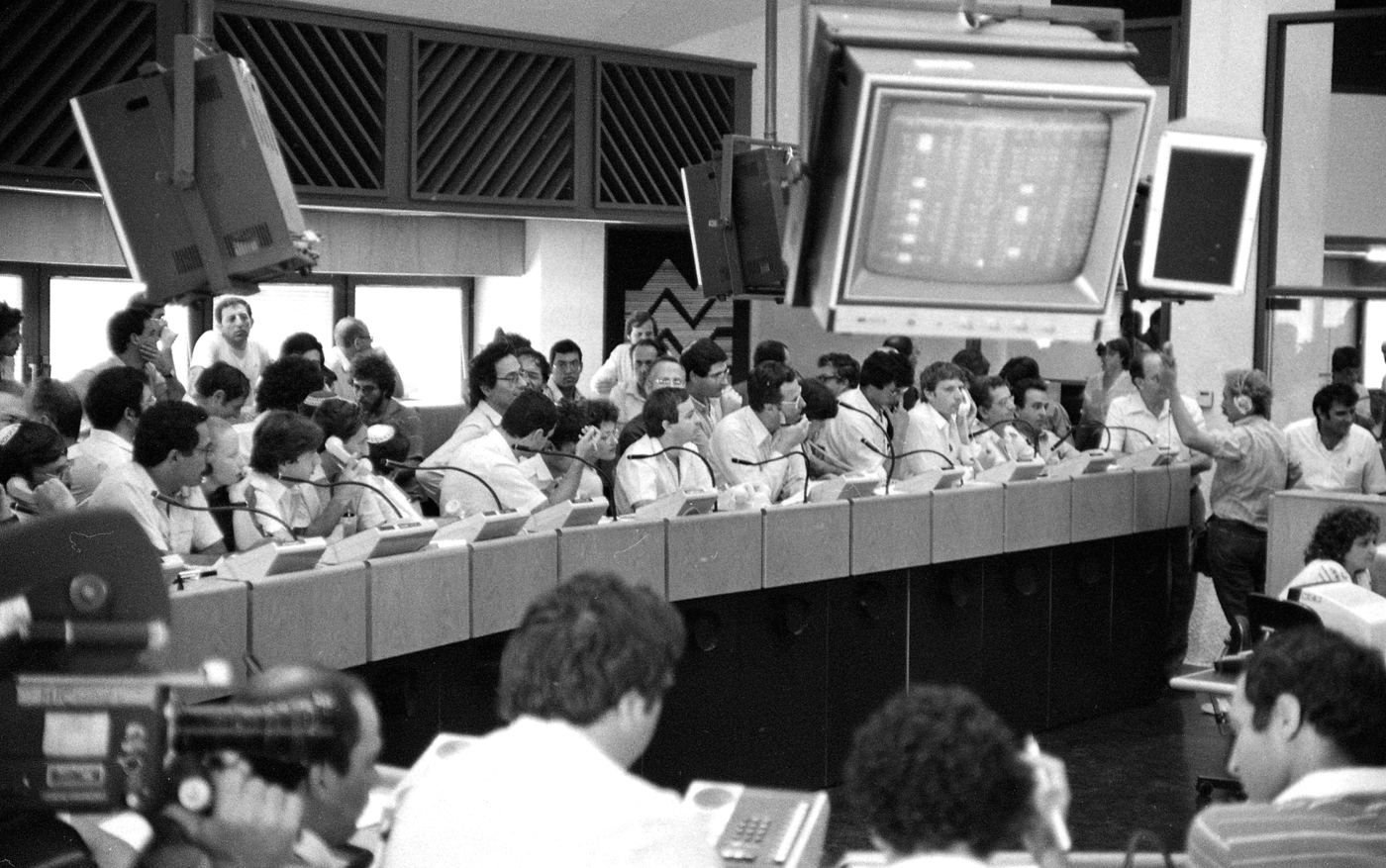
From the 1970s until 1983 Israel's large banks worked to stabilise the prices of their own shares, and presented them to customers as a safe investment. Bank HaMizrahi was one of them. The Supreme Court judgment says the CEO was involved "in shaping this bank's regulation policy and carrying it out".
On 6 October 1983 the shares collapsed. The Tel Aviv Stock Exchange closed for about two weeks, and the state took over the bank shares. Bank HaMizrahi passed into state ownership.
What exactly the bank was convicted of
According to the prospectus, on 31 December 1990 the State Attorney's Office filed an indictment in the Jerusalem District Court against the bank, its former CEO and its deputy CEO. The charges covered three subjects: "managers' offences, false advice and false reports and prospectuses".
The bank was convicted of one offence: obtaining something by deceit in aggravated circumstances, in the cases listed in an annex to the indictment "which concern the giving of false advice". It was acquitted of the other offences.
Put simply: the court found that the bank itself, as a corporation, obtained something by deceit through false advice to customers. The conviction is not only about managers. It is about the relationship between a bank and a customer who relies on the bank's advice.
The CEO: fraud and false entries in the financial statements
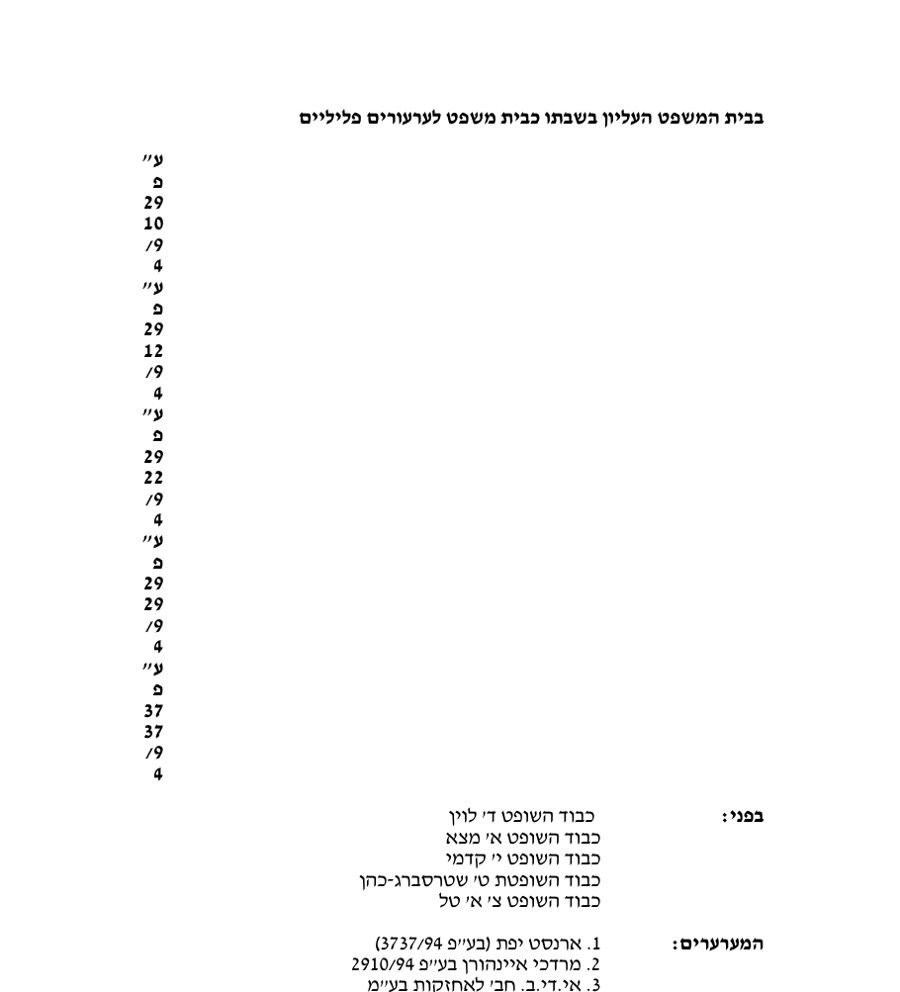
According to the Supreme Court judgment, Criminal Appeal 2910/94 Japhet et al. v. State of Israel (Hebrew), the district court convicted the CEO, Aharon Meir, on three counts:
- An offence under section 13B(a) of the Banking Ordinance: as a bank manager he "knowingly conducted the bank's business in a way that impaired its ability to meet its obligations".
- Obtaining something by deceit in aggravated circumstances, in the cases listed in Annex E to the indictment. He was acquitted of securities fraud and of misleading a customer "on grounds of limitation".
- False entries in corporate documents, in the financial statements.
The sentence: "a two-year suspended prison term... and a fine of NIS 600,000, or 6 months' imprisonment in lieu". No actual prison time. According to UPI, the 820-page verdict was written by Judge Miriam Naor.
On his role at the bank, the Supreme Court wrote: "This description indeed reflects the depth of Meir's involvement in all of Bank Mizrahi's business, in its contacts with the authorities, in its coordination with the other banks and in shaping this bank's regulation policy and carrying it out".
What the Supreme Court decided
Judgment on appeal was given on 28 February 1996 by a panel of five: Justices D. Levin, A. Mazza, Y. Kedmi, T. Strasberg-Cohen and Z. E. Tal. The first count was quashed by a majority, Justices Kedmi and Strasberg-Cohen dissenting. The appeal on the second and third counts was dismissed, so the fraud conviction and the false-entries conviction stand, and so does the sentence.
The bank itself was not a party to the appeal. Its conviction stands as given by the district court.
Why it matters today
A conviction from 1994 says nothing about how the bank operates today, and that needs saying. But it is part of the company's public record, and two later chapters touch the same point, the bank's relationship to the information it gives: in 2019 the bank admitted, in an agreement with the US Department of Justice, that its employees helped customers hide income, and in 2023 the Supervisor of Banks imposed a NIS 700,000 sanction on it for failing to report payments it received to the Execution Office, or reporting them late.
Anyone who wants to examine how the bank has treated them can file a complaint with the Supervisor of Banks and consult the database of rulings against Mizrahi Tefahot.
Frequently asked questions
Has Mizrahi Tefahot Bank been convicted of a crime?
Yes. On 16 February 1994 United Mizrahi Bank Ltd, which changed its name in 2005 to Mizrahi Tefahot Bank Ltd, was convicted under section 415 of the Penal Law, obtaining something by deceit in aggravated circumstances, concerning false advice. The bank did not appeal, and the conviction is final.
What was the bank convicted for?
For cases of false advice to customers in the bank-shares regulation affair, which ended in the collapse of the shares on 6 October 1983. It was acquitted of the other charges in the indictment, including false reports and prospectuses.
What was the sentence?
The bank was fined: NIS 1 million according to the body of the prospectus, NIS 1.4 million according to its financial statements. The CEO, Aharon Meir, received a two-year suspended prison term and a NIS 600,000 fine.
Are United Mizrahi Bank and Mizrahi Tefahot Bank the same bank?
Yes. It is the same company, no. 520000522. According to the Registrar of Companies' certificate, on 7 November 2005 United Mizrahi Bank Limited changed its name to Mizrahi Tefahot Bank Ltd.
Source documents
- United Mizrahi Bank prospectus, 1998: pages 1, 76, 233 (PDF, Hebrew)
- Criminal Appeal 2910/94 Japhet et al. v. State of Israel, full judgment (PDF, Hebrew, 264 pages)
- Certificate of change of name of a company, Registrar of Companies, 7.11.2005 (PDF)
- The convicted CEO: Aharon Meir, on the Mizrahi Tefahot rulings site
About this article: it is based on the bank's 1998 prospectus as filed with the Israel Securities Authority, the Supreme Court judgment in Criminal Appeal 2910/94, the Registrar of Companies' certificate of change of name and a UPI report of 16 February 1994. Quotations are translated from the Hebrew originals. The article was written with the help of artificial intelligence on the basis of the documents.