A bank's fiduciary duty begins with the promise it makes to those who bring it money. This article is about the first promise of Bank Mizrahi, today Mizrahi Tefahot Bank, and about what the bank's books later said of the people who believed it.
The founder's book
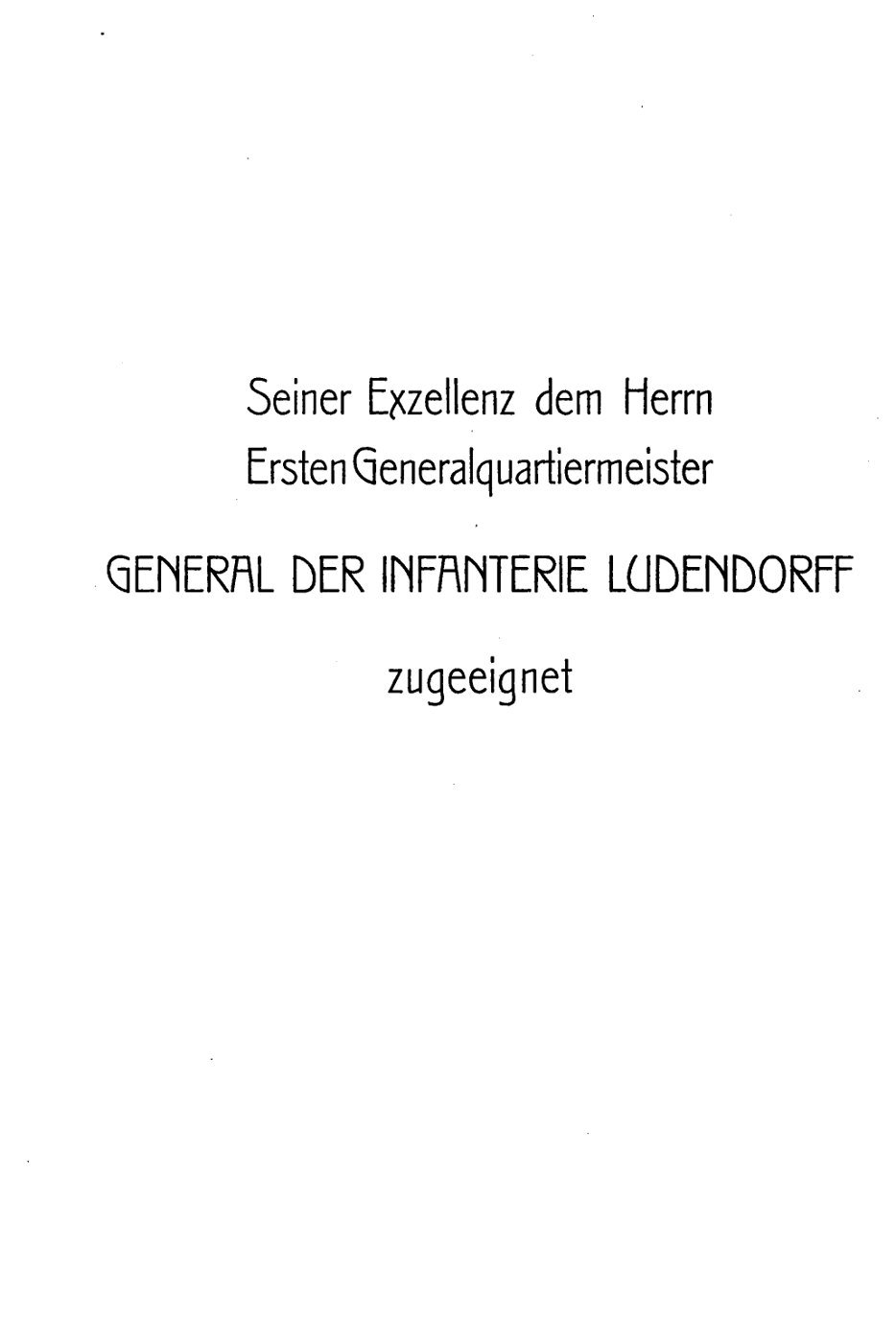
The Berlin artist Hermann Struck, an officer in the Kaiser's army, was one of the three founding shareholders of Bank Mizrahi. In 1916 he and the poet Herbert Eulenberg published a book of drawings from the Russian lands occupied by Germany, printed by the Ober Ost military press. It is dedicated to General Erich Ludendorff. From the book itself:
"Seiner Exzellenz dem Herrn Ersten Generalquartiermeister General der Infanterie Ludendorff zugeeignet."
"Dedicated to His Excellency the First Quartermaster General, General of the Infantry Ludendorff."
"... Uns als freudigen Angehörigen des ‚barbarischen Volkes', das den von ihm Unterjochten seine eigenen Zeitungen und Schulen geschenkt ... hat ..."
"To us, as joyful members of the 'barbarian people', which gave those it subjugated their own newspapers and schools..."
"All unsere Wege führen nach Deutschland."
"All our roads lead to Germany." (the foreword is signed jointly by Struck and Eulenberg)
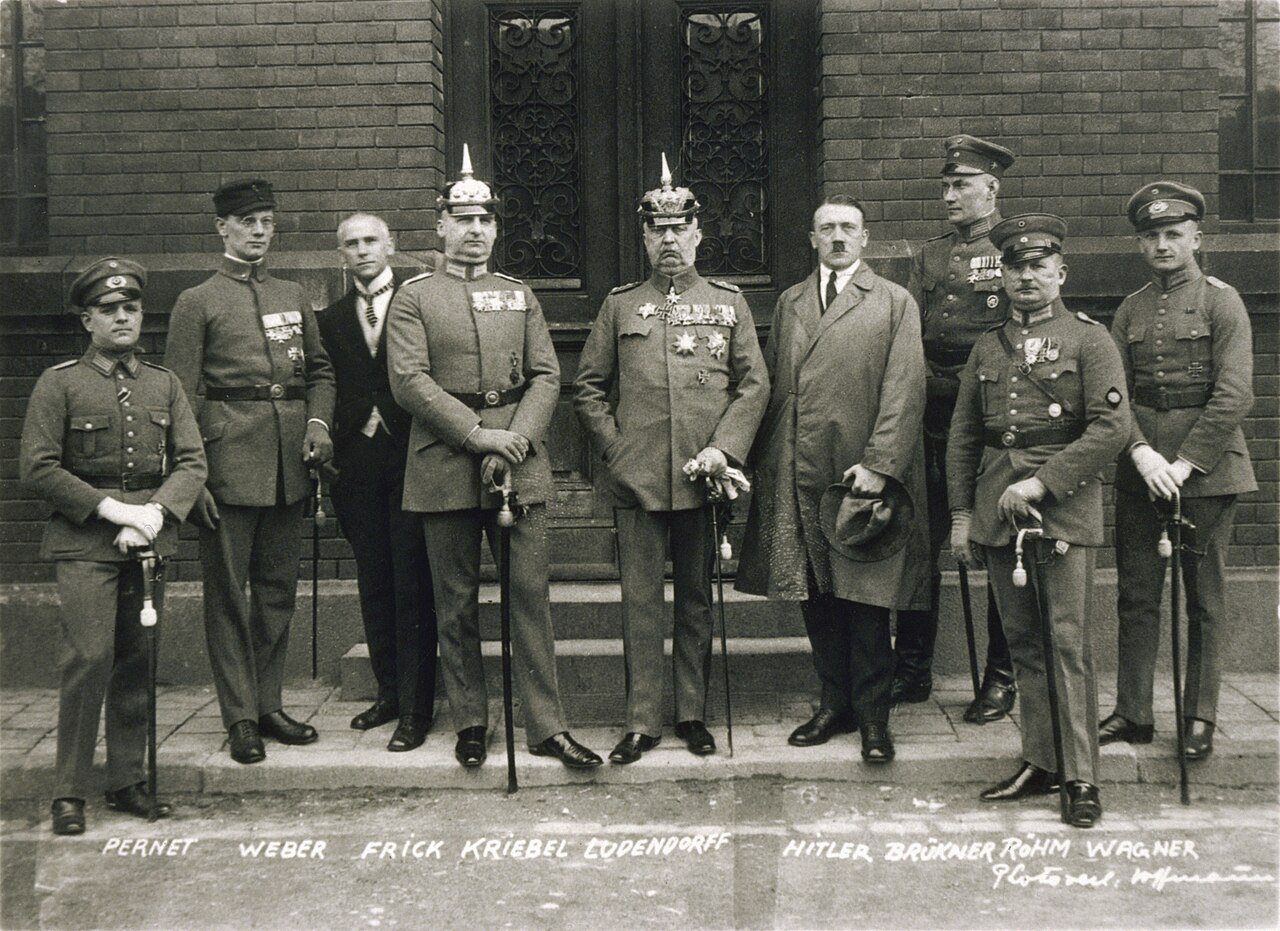
Bank Mizrahi was registered on June 6, 1923 as company 520000522. On November 9, 1923 Ludendorff marched beside Adolf Hitler in the Munich putsch. There is no source for any link between Struck and Hitler.
The 1924 promise
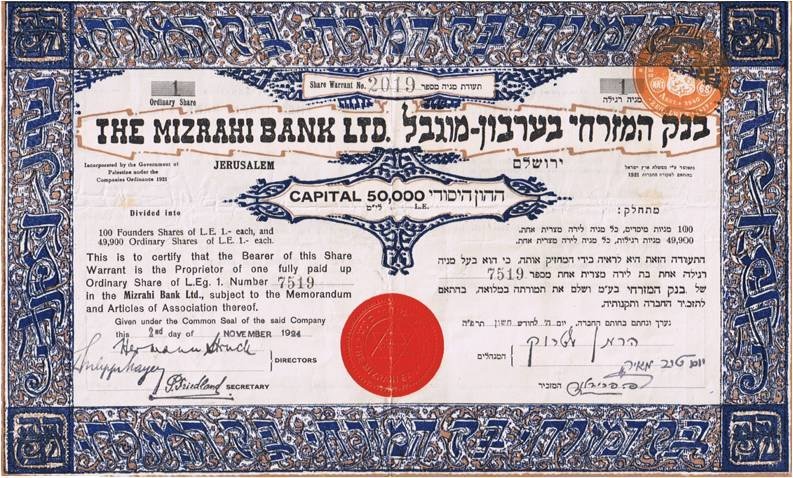
According to the newspaper Hator of April 4, 1924, Struck and Pick met in Jerusalem with "Mizrachi members from Germany, Poland and Belgium", and "some of the guests signed for a good number of the bank's shares and paid for them in full". In September 1924 Struck opened the World Mizrachi Council in Berlin, which placed "a duty on all national federations" to work "for the distribution of Mizrahi Bank shares". The promise, per Hator of December 10, 1924: the bank "will greatly help the establishment of the Mizrachi members coming to settle in the Land of Israel".
What was written about them later
On October 29, 1939 the bank wrote "no claimants" next to 28,000 Palestine pounds of depositors, because they were "abroad". In mid-1940 it recorded a debt "to the Jews of Germany, Poland and Belgium", 10,177 pounds. The share registers showed 309 shareholders whose address was "in Europe or unknown", and 136 shareholders who paid for shares they never received, money "apparently not returned". In 2001 the Knesset auditors were told the bank had "no material at all".
The full article, with all quotes and documents: What Is "Mizrahi" in Mizrahi Tefahot Bank?
Source documents
- Struck, Eulenberg, Skizzen aus Litauen, Weissrussland und Kurland, 1916 (archive.org)
- Appendix 3 to the Knesset inquiry report, Bank Mizrahi (PDF, Hebrew)
- Hator, 4.4.1924, 12.10.1924, 10.12.1924, National Library of Israel newspaper collection
About this article: based on the 1916 book, the newspaper Hator and Appendix 3 to the report of the Knesset Commission of Inquiry on the assets of Holocaust victims. Every quote was checked against the source. AI assisted with drafting. Not legal advice.