About the bank
Bank Mizrahi was registered on June 6, 1923 as company 520000522, still the number of Mizrahi Tefahot Bank.
01 / The founderHermann Struck
The Berlin artist Hermann Struck, an officer in the Kaiser's army, was one of the three founding shareholders of Bank Mizrahi. Struck signed the bank's 1924 share certificate as a director.
According to the newspaper Hator of April 4, 1924, Struck and Pick met in Jerusalem with "Mizrachi members from Germany, Poland and Belgium", and "some of the guests signed for a good number of the bank's shares and paid for them in full". In September 1924 Struck opened the World Mizrachi Council in Berlin, which placed "a duty on all national federations" to work "for the distribution of Mizrahi Bank shares".
The promise, per Hator of December 10, 1924: the bank "will greatly help the establishment of the Mizrachi members coming to settle in the Land of Israel".
Skizzen aus Litauen, Weissrussland und Kurland
Sketches from Lithuania, White Russia and Courland. Sixty stone drawings (lithographs) by Hermann Struck, each with a short text by Herbert Eulenberg. Published by Georg Stilke, Berlin, 1916. The title page reads: Hergestellt in der Druckerei des Oberbefehlshabers Ost, printed at the press of the Supreme Commander East.
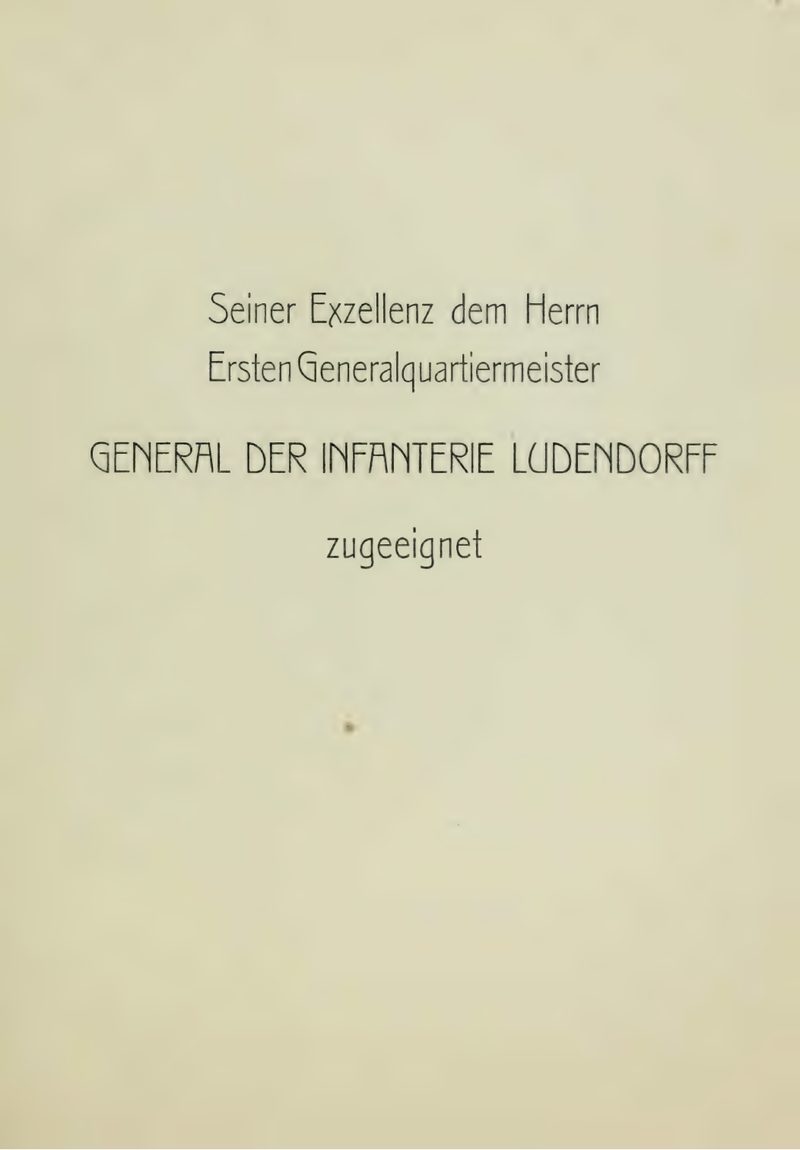
The dedication page: Seiner Exzellenz dem Herrn Ersten Generalquartiermeister General der Infanterie Ludendorff zugeeignet, dedicated to His Excellency, the First Quartermaster General, General of the Infantry Ludendorff.
The foreword is signed jointly by Struck and Eulenberg. Its closing sentence: All unsere Wege führen nach Deutschland, all our roads lead to Germany. The texts beside the drawings are Eulenberg's.
The book is in the public domain: Struck died in 1944 and Eulenberg in 1949.
The bank over the years
Mizrahi Bank, 1916: "All Our Roads Lead to Germany". Hermann Struck's Book Reviewed
A critical review of the 1916 book by Hermann Struck, later a founder of Bank Mizrahi (today Mizrahi Tefahot), and Herbert Eulenberg: the Ludendorff dedication, "spiritual conquest", "the subjugated" and the Jews. Full book PDF.
1923 – 1924Mizrahi Tefahot Bank: the Ludendorff dedication, the shares sold to European Jews, and "no claimants"
In 1916 a founder of Bank Mizrahi dedicated a book to General Ludendorff. In 1924 the bank's shares were sold to Mizrachi members from Germany, Poland and Belgium with a promise. In 1939 the bank wrote "no claimants" next to their deposits.
1939Bank Mizrahi and the Haavara Agreement: money from Germany and deposits "that will not be claimed"
Records of the Knesset Commission of Inquiry document money transferred from Nazi Germany straight to Bank HaMizrahi, and letters in which management marked the deposits of European Jews as "will not be claimed". What that says about a bank's duty of trust to its depositors.
1939 – 1940Mizrahi Bank and the 1939 deposits: "they should not be taken into account"
"They should not be taken into account", the bank wrote in 1939 about deposits of depositors in Poland. In 1940 it reported "accounts whose owners died" to the Supervisor of Banks. In 2001 the auditors were told the bank had no material.
1994Bank Mizrahi was convicted of a crime
In 1994 United Mizrahi Bank, today Mizrahi Tefahot Bank, was convicted of obtaining something by deceit in aggravated circumstances over false advice to customers. It did not appeal. Its CEO was convicted of fraud and false entries in the financial statements.
2001 – 2003The bank lost the documents? When does that usually happen?
"No material at all", management told the auditors. Then ledgers and minutes turned up. Three moments when bank records disappear, according to the Knesset inquiry's audit report, and the 2012 settlement.
Knesset inquiry committee reportMizrahi Tefahot Bank and the dormant accounts: no interest, fees charged, then closed
According to the Knesset inquiry report, Bank Mizrahi "apparently did not pay interest on accounts without activity, and on the other hand charged them fees". Credit balances eroded, turned into debit balances and were closed by the branch.